Conditions
Varicose Veins
What Are Varicose Veins?
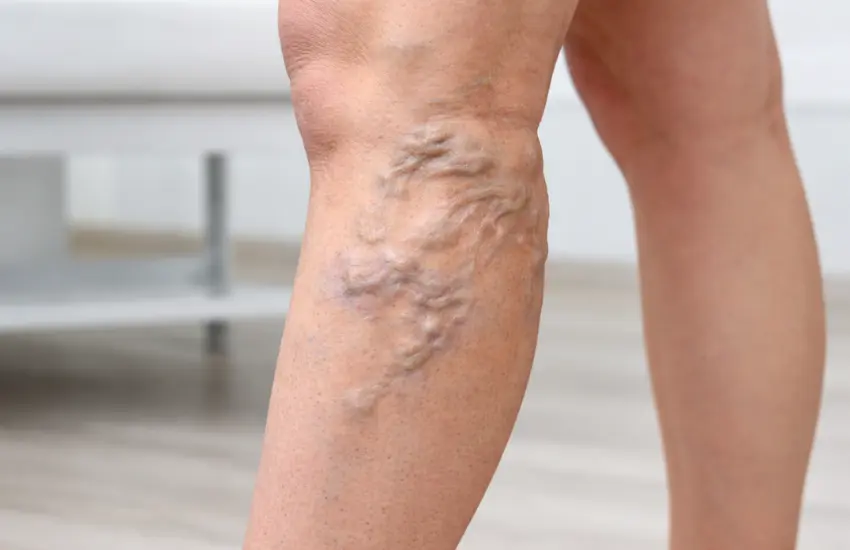
Varicose veins are enlarged, twisted veins that usually appear on the legs and feet. They occur when the valves inside the veins become weak or damaged, causing blood to flow backward and collect in the veins instead of moving efficiently toward the heart. This leads to swollen, visible veins that may appear blue or dark purple.
Varicose veins are a common vascular condition affecting both men and women, especially individuals who stand for long periods, have a sedentary lifestyle, are overweight, or have a family history of vein disorders.
At Venus 11 Varicose Vein Hospital, we provide advanced diagnosis and modern treatment solutions for varicose veins to help patients regain comfort, mobility, and confidence.
Common Symptoms of Varicose Veins
Patients with varicose veins may experience:
- Visible twisted or bulging veins in the legs
- Leg pain or heaviness, especially after long hours of standing
- Swelling in the legs and ankles
- Burning, throbbing, or muscle cramping
- Skin discoloration around the veins
- Itching or irritation around affected veins
If left untreated, varicose veins can lead to complications such as skin ulcers, blood clots, or chronic venous insufficiency.
Causes and Risk Factors
Several factors can increase the risk of developing varicose veins:
- Prolonged standing or sitting
- Aging and weakening of vein valves
- Pregnancy
- Obesity
- Family history of vein disease
- Lack of physical activity
Early diagnosis and timely treatment can help prevent complications and improve quality of life.
Diagnosis and Expert Care
At Venus 11 Varicose Vein Hospital, patients receive comprehensive evaluation using advanced diagnostic methods such as Doppler ultrasound to assess blood flow and vein function.
The hospital is led by experienced vascular specialist Dr. Himanshu Shah, who focuses on minimally invasive and patient-friendly treatment options for varicose veins.
Varicose Vein Treatment Options
Modern medicine offers several safe and effective treatments for varicose veins. Depending on the severity of the condition, treatment options may include:
-
Laser Treatment (Endovenous Laser Therapy – EVLT) A minimally invasive procedure that uses laser energy to close damaged veins and redirect blood flow to healthy veins.
-
Radiofrequency Ablation (RFA) A heat-based treatment that seals affected veins with minimal discomfort and quick recovery time.
-
Sclerotherapy A medical solution injected into smaller varicose or spider veins, causing them to shrink and fade over time.
-
Lifestyle and Preventive Care In mild cases, doctors may recommend compression stockings, regular exercise, weight management, and elevating legs to improve circulation. These treatments help reduce symptoms and prevent progression of the condition.
Why Choose Venus 11 Varicose Vein Hospital?
- Specialized care for vein disorders
- Advanced minimally invasive treatments
- Experienced vascular specialist Dr. Himanshu Shah
- Modern diagnostic technology
- Faster recovery and minimal downtime
Our goal is to provide safe, effective, and long-lasting solutions for patients suffering from varicose veins.
Causes of Varicose Veins (Etiology)
Varicose veins develop when the normal circulation of blood from the legs to the heart becomes inefficient. This condition is known as venous insufficiency, where the veins fail to push blood upward properly, leading to increased pressure in the veins of the legs.
In the early stages, venous insufficiency may appear as spider veins, which are small, thin veins visible on the skin surface and are usually considered cosmetic concerns. Slightly larger veins called reticular veins may also appear under the skin. As the condition progresses, these veins may enlarge and become twisted, resulting in varicose veins. In more severe cases, especially in older individuals, venous insufficiency can lead to skin changes, swelling, or even leg ulcers.
At Venus 11 Varicose Vein Hospital, patients receive specialized evaluation and advanced varicose veins treatment to manage the underlying causes and prevent complications.
Main Causes of Varicose Veins
1. Deep Vein Obstruction
Deep vein obstruction occurs when the veins that carry blood from the legs to the heart become blocked. One of the most common causes is Deep Vein Thrombosis (DVT), where blood clots form in the deep veins. This may occur due to prolonged immobility, such as long flights (often referred to as "economy class syndrome"), or due to tumors in the pelvic region compressing the veins.
If the obstruction continues for a long time, it can damage the vein valves and eventually lead to varicose veins.
2. Muscle Pump Failure
The calf muscles play an important role in pushing blood upward toward the heart. This mechanism is known as the muscle pump. If the calf muscles become weak due to inactivity, aging, or certain medical conditions, the pumping action becomes less effective.
When the muscle pump fails to work properly, blood begins to pool in the veins, increasing pressure and eventually leading to varicose veins.
3. Valve Failure (Most Common Cause)
The most common reason for varicose veins is the failure of tiny valves inside the veins. These valves normally ensure that blood flows in only one direction—toward the heart.
Valve failure can occur due to:
- Genetic or inherited valve weakness
- Hormonal changes, especially during pregnancy
- Previous blood clots or thrombosis
- Leg injuries or trauma
- Weak calf muscles or prolonged standing
Once a valve becomes damaged, blood begins to flow backward in the vein. This is known as venous reflux. The backward flow increases pressure in the vein, causing it to stretch. Over time, this stretching pulls apart the next valve in the vein, creating a domino effect where multiple valves fail. Eventually, the vein becomes enlarged, twisted, and visible as a varicose vein.
Importance of Early Diagnosis and Treatment
One of the key factors in managing venous insufficiency is identifying and treating venous reflux early. Accurate diagnosis helps determine which veins are affected and allows doctors to choose the most effective varicose veins treatment.
At Venus 11 Varicose Vein Hospital, advanced diagnostic techniques such as Doppler ultrasound are used to detect reflux and evaluate vein function.
The hospital is led by Dr. Himanshu Shah, an experienced varicose vein specialist, who focuses on modern, minimally invasive treatments to relieve symptoms, restore healthy circulation, and prevent complications.
With the right diagnosis and timely varicose veins treatment, patients can experience significant relief from pain, swelling, and visible veins while improving overall leg health.
Symptoms of Varicose Veins
Varicose veins are a common vascular condition that occurs when the veins in the legs become enlarged, twisted, and unable to circulate blood efficiently. The condition develops due to venous insufficiency, where blood pools in the veins instead of flowing smoothly back to the heart. Recognizing the symptoms of varicose veins at an early stage is important so that timely varicose veins treatment can prevent complications and improve overall leg health.
At Venus 11 Varicose Vein Hospital, patients receive expert diagnosis and advanced care from Dr. Himanshu Shah, an experienced varicose vein specialist, who focuses on minimally invasive treatment options for long-lasting relief.
Common Symptoms of Varicose Veins
The symptoms of varicose veins can vary depending on the severity of the condition. Some individuals may initially experience only cosmetic concerns, while others may develop discomfort and circulation problems.
-
1. Visible Enlarged Veins One of the earliest signs is the appearance of enlarged, twisted veins that are usually blue or dark purple. These veins commonly appear on the legs, calves, or behind the knees.
-
2. Leg Pain or Heaviness Many patients experience aching, heaviness, or discomfort in the legs, especially after long periods of standing or sitting.
-
3. Swelling in Legs and Ankles Poor blood circulation can lead to swelling in the lower legs and ankles, which often worsens by the end of the day.
-
4. Burning or Throbbing Sensation Some patients report burning, throbbing, or muscle cramping around the affected veins.
-
5. Itching or Skin Irritation The skin around varicose veins may feel itchy or irritated. This condition is often referred to as venous eczema.
-
6. Skin Discoloration In more advanced cases, the skin around the affected veins may become darker or develop brownish discoloration due to prolonged venous pressure.
-
7. Leg Fatigue and Restlessness Persistent tiredness or restlessness in the legs is another common symptom associated with poor venous circulation.
Advanced Symptoms and Complications
If varicose veins treatment is delayed, the condition may progress and lead to more serious complications, such as:
- Hardening of veins
- Skin thickening around the ankles
- Development of venous ulcers
- Increased risk of blood clots
Early diagnosis and treatment can prevent these complications and improve quality of life.
When to Seek Varicose Veins Treatment
If you notice persistent leg pain, swelling, visible veins, or skin changes, it is advisable to consult a specialist for proper evaluation. Early varicose veins treatment can relieve symptoms, improve circulation, and prevent the condition from worsening.
At Venus 11 Varicose Vein Hospital, patients are treated by Dr. Himanshu Shah, a leading varicose vein specialist who provides comprehensive care using advanced diagnostic techniques and minimally invasive procedures for effective and long-term results.