Conditions
Deep Vein Thrombosis (DVT)
What is Deep Vein Thrombosis?
Deep Vein Thrombosis (DVT) is a serious medical condition in which a blood clot (thrombus) forms in the deep veins of the leg. These deep veins are located within the muscles of the legs and are responsible for carrying oxygen-depleted blood back to the heart and lungs.
When a clot forms in these veins, it can block normal blood circulation and lead to swelling, pain, and long-term damage to the veins. If left untreated, the clot can travel through the bloodstream to the lungs, causing a pulmonary embolism, which is a life-threatening condition.
At Venus 11 Varicose Vein Hospital, early diagnosis and timely varicose veins treatment and vascular care play an important role in preventing complications related to DVT and venous disorders.
How Blood Circulates in the Leg Veins
The veins in the legs are surrounded by strong muscles that help pump blood upward toward the heart. These veins also contain one-way valves that prevent blood from flowing backward.
However, when blood circulation slows due to illness, injury, prolonged sitting, or inactivity, blood may begin to pool in the veins, increasing the risk of clot formation. This condition can eventually affect overall vein health and may contribute to problems such as varicose veins or chronic venous insufficiency.
Risk Factors for Deep Vein Thrombosis (DVT)
Several factors can increase the risk of developing DVT. These include:
- Obesity
- Age above 40 years
- Limb trauma or orthopaedic surgery
- Cancer or malignancy
- Previous DVT or family history of blood clots
- Prolonged immobility, such as bed rest or long travel
- Recent major surgery
- Hormone therapy or oral contraceptives
- Pregnancy and the post-partum period
- Blood clotting disorders
People with these risk factors should consult a vascular specialist if they notice unusual leg pain or swelling.
Symptoms of Deep Vein Thrombosis
The symptoms of DVT can sometimes resemble the symptoms of varicose veins, which is why medical evaluation is important.
Common symptoms include:
- Severe calf or leg pain
- Tenderness in the leg
- Swelling in the lower limb
- Warm skin in the affected area
- Leg fatigue or heaviness
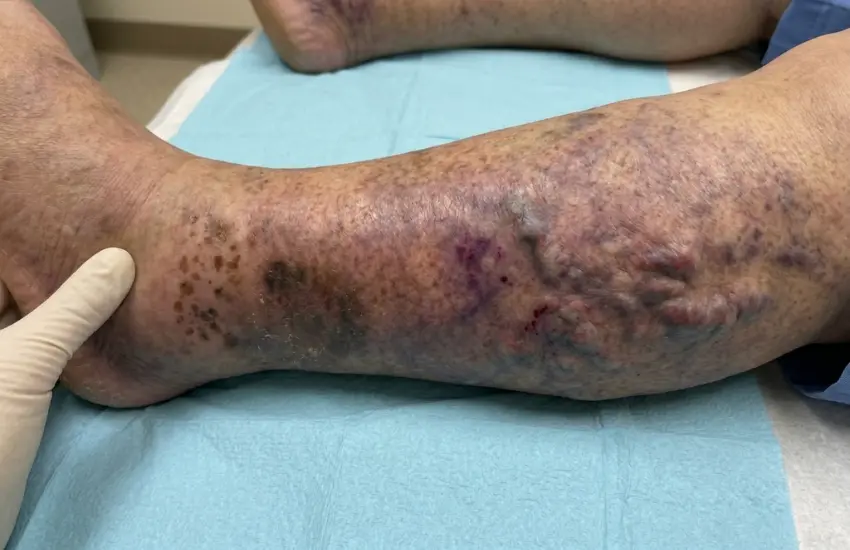
- Skin discoloration
- Prominent or visible surface veins
If these symptoms appear suddenly, immediate medical attention is necessary.
Post-Thrombotic Syndrome
One of the long-term complications of DVT is Post-Thrombotic Syndrome (PTS). This condition occurs when the clot damages the vein walls and valves, leading to poor blood circulation in the leg.
Patients may experience:
- Chronic leg pain
- Persistent swelling
- Leg heaviness and fatigue
- Skin discoloration
- Development of venous ulcers
In severe cases, untreated vein damage may lead to chronic venous insufficiency and complications similar to advanced varicose veins.
Pulmonary Embolism (PE)
One of the most dangerous complications of Deep Vein Thrombosis occurs when the blood clot breaks free and travels through the bloodstream to the lungs. This condition is called Pulmonary Embolism (PE).
Pulmonary embolism can block oxygen supply to the lungs and lead to heart failure, making it a medical emergency.
Symptoms of Pulmonary Embolism
- Sudden shortness of breath
- Sharp chest pain
- Rapid heart rate
- Sweating
- Fainting or dizziness
- Coughing up blood (bloody sputum)
Immediate treatment is essential to reduce the risk of life-threatening complications.
Deep Vein Thrombosis Treatment
Early diagnosis and treatment of DVT are essential to prevent complications such as pulmonary embolism and long-term vein damage.
At Venus 11 Varicose Vein Hospital, advanced vascular care focuses on improving circulation and preventing further clot formation.
Blood Thinning Medications
The first line of treatment usually involves anticoagulant medications (blood thinners). These medications prevent new clots from forming and reduce the risk of the clot traveling to the lungs. However, they do not actively dissolve the existing clot.
Deep Vein Thrombosis Treatment
In selected cases, a specialized procedure known as Catheter-Directed Thrombolysis (CDT) may be recommended.
During this minimally invasive procedure:
- A thin catheter is inserted into the affected vein
- Clot-dissolving medication is delivered directly to the clot
- Blood flow in the vein is restored
- Damage to the vein valves can be minimized
This treatment helps reduce the risk of post-thrombotic syndrome and improves long-term vein health.
Expert Varicose Veins Treatment and Vascular Care
Patients suffering from vein disorders, DVT, or symptoms related to venous insufficiency should seek evaluation from a qualified specialist.
At Venus 11 Varicose Vein Hospital, patients receive comprehensive care under Dr. Himanshu Shah, a highly experienced varicose vein specialist. The hospital focuses on modern, minimally invasive varicose veins treatment and advanced vascular procedures designed to restore healthy circulation and improve patient outcomes.
Early diagnosis and expert care can significantly reduce the risk of complications and help patients maintain long-term vascular health.